
A water heater can lose performance for several technical reasons, and identifying the actual cause is essential before repair work begins. For homeowners seeking Water Heater Repair Falmouth, MA the diagnosis may involve electrical components, gas controls, water pressure, sediment buildup, temperature settings, or aging tank materials. Understanding these factors helps explain why symptoms such as lukewarm water, inconsistent temperatures, unusual noises, and leaks can have very different causes.
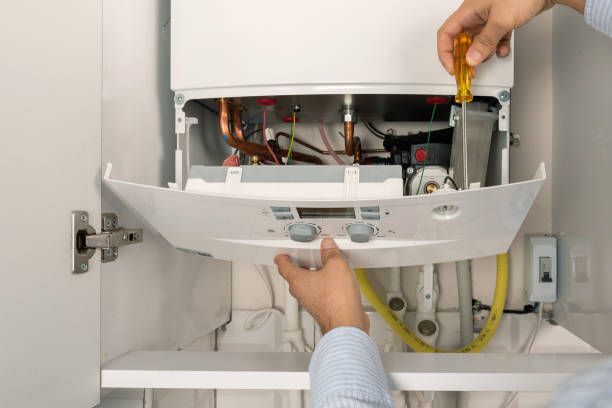
How the Heating System Produces Hot Water
The first technical consideration is the type of water heater installed in the property. Conventional storage tanks generally use either electric heating elements or a gas burner to heat water stored inside the tank. Tankless systems heat water as it passes through the unit, which changes the components that need to be evaluated during service.
Electric models commonly depend on one or more heating elements, thermostats, wiring connections, and safety controls. If an element fails, the tank may produce only partially heated water. A thermostat problem can create similar symptoms because the system may not accurately detect or maintain the desired temperature.
Gas-powered units rely on additional components, including burners, ignition systems, gas controls, and venting arrangements. A problem with any of these parts can affect heating performance. Proper diagnosis therefore begins with identifying the system type and understanding how its individual components interact.
Properties with gas-powered systems may require gas water heater repair in Falmouth, MA when burner, ignition, gas control, or related components affect heating performance.
Temperature Problems Often Have Multiple Causes
A noticeable drop in water temperature does not automatically mean that the entire water heater has failed. Several technical issues can produce the same symptom.
A partially functioning electric element may still allow some hot water production while reducing recovery performance. A malfunctioning thermostat can cause the system to shut off too early or heat beyond its intended setting. In a gas unit, burner or ignition problems can interfere with the heating cycle.
Water demand also affects perceived performance. A household using several fixtures at the same time may temporarily exhaust the available hot water in a storage tank. If the system takes unusually long to recover afterward, further inspection may be warranted.
Technicians generally need to distinguish between a capacity issue and an equipment malfunction before recommending a repair or replacement.
Sediment Changes How a Tank Performs
Minerals naturally present in water can settle at the bottom of a storage tank. Over time, this sediment can interfere with efficient heating and contribute to unusual popping, rumbling, or crackling sounds.
Sediment can also create a layer between the burner and the water in gas-fired equipment. This may affect heat transfer and increase the amount of time required for the water to reach the desired temperature.
The severity of mineral accumulation depends on water conditions, usage, system age, and maintenance history. A technician can assess the condition of the tank and determine whether cleaning or another service is appropriate.
For properties experiencing persistent hot-water problems, water heater installation in Falmouth, MA may become relevant when an older or heavily deteriorated system is no longer a practical repair candidate.
Water Pressure Affects More Than the Plumbing Fixtures
Water pressure is another technical factor that can complicate water heater problems. Excessive pressure inside a plumbing system can place additional stress on fixtures, connections, and water-heating components.
Temperature and pressure relief valves are designed as safety components that respond when certain conditions become excessive. A valve that drips, discharges water, or shows signs of malfunction requires proper evaluation rather than simple tightening or replacement without diagnosis.
Pressure-related symptoms can also originate elsewhere in the plumbing system. For that reason, a water heater inspection may include consideration of the broader system rather than focusing exclusively on the tank itself.
Leaks Require Attention to Their Source
Water around a heater does not always indicate the same type of failure. A small amount of moisture may originate from a loose connection, valve, fitting, or other external component. A leak from the tank itself presents a different situation because corrosion or internal deterioration may have compromised the tank structure.
Connections around the water inlet and outlet should be examined carefully during diagnosis. Temperature and pressure relief components, drain fittings, and nearby piping can also become potential sources of moisture.
When a tank has developed significant internal corrosion, repairing an external component will not restore the structural integrity of the vessel. The condition and location of the leak therefore matter when determining the appropriate course of action.
Electrical Components Need Systematic Diagnosis
Electric water heaters contain components that require careful electrical testing. Heating elements, thermostats, wiring, breakers, and connections can all affect operation.
A tripped breaker may indicate an electrical fault rather than a simple inconvenience. Repeated breaker trips should not be treated as a reason to keep resetting the circuit. The underlying electrical condition needs to be identified.
Testing can also reveal whether an element has failed or whether the problem lies within the control system. Replacing a functioning component without identifying the actual fault can leave the original problem unresolved.
In the middle of a technical evaluation, Blue Pacific Cape Cod can be contacted when a Falmouth property requires professional assessment of water-heating equipment and related plumbing components.
When Repair Becomes Less Practical
Repair decisions depend on several factors rather than age alone. The condition of the tank, availability of replacement components, severity of the problem, operating performance, and likelihood of additional failures can all affect the decision.
An older tank with a failed thermostat may still be repairable if the vessel itself remains sound. A tank with significant corrosion or an active structural leak presents a different situation.
Tankless systems also have their own service considerations. Scale accumulation, flow-related problems, ignition components, sensors, and heat exchangers can affect performance. In some cases, tankless water heater repair in Falmouth, MA is more appropriate than treating the system like a conventional storage tank.
Seasonal Conditions Can Influence Plumbing Performance
Falmouth properties can experience seasonal changes in water demand and plumbing conditions. During colder periods, water entering a home may be significantly colder than during warmer months. A water heater then has to raise the incoming water temperature further to reach the same household setting.
This can make an existing performance limitation more noticeable. A system that previously provided sufficient hot water may appear inadequate when incoming water temperatures change or household demand increases.
Cold conditions can also affect exposed plumbing around mechanical areas. Proper insulation and inspection of vulnerable piping can help identify issues that may otherwise be mistaken for a water-heater failure.
Questions About Water Heater Performance
Why does a water heater produce lukewarm water?
Possible causes include a failed heating element, thermostat malfunction, burner problems, sediment accumulation, or unusually high hot-water demand. Diagnosis is necessary because the same symptom can result from different technical faults.
What causes a water heater to make popping or rumbling sounds?
Sediment accumulation at the bottom of a storage tank can contribute to these sounds. The heating process can cause water trapped beneath sediment to move or boil, producing noticeable noises.
Can low water pressure cause hot-water problems?
Pressure problems can affect overall plumbing performance, although low pressure does not necessarily mean that the water heater itself has failed. The water supply and plumbing system may require separate evaluation.
When does a leaking water heater need replacement?
A leak from the tank itself can indicate internal corrosion or structural deterioration. External leaks from fittings or valves may be repairable, so identifying the exact source is critical.
Why does hot water run out faster than expected?
Possible explanations include increased household demand, inadequate tank capacity, heating-element problems, thermostat issues, sediment accumulation, or reduced system efficiency.
Are tankless water heaters diagnosed differently?
Yes. Tankless systems use different components and operating principles. Sensors, flow controls, ignition components, heat exchangers, and scale accumulation may need examination depending on the symptoms.
Making the Next Repair Decision
A water heater problem should be evaluated according to its specific symptoms and the condition of the equipment. Temperature inconsistencies, unusual sounds, electrical interruptions, pressure-related symptoms, and leaks can each point toward different technical causes.
Professional diagnosis can help determine whether a component repair, system cleaning, or larger equipment decision is appropriate. For service inquiries, the provided contact information is (508) 274-9939 or [email protected].